School Still Comes First
Appointments, oral-care routines, and appliance choices should work around school as realistically as possible. Treatment is important, but it should not make every week feel like it revolves around orthodontics.

Children · Teens
A nine-year-old and a sixteen-year-old can both need orthodontic care for completely different reasons. Dr. Caldas plans children and teen treatment around growth, bite, confidence, routines, and the stage your child is actually in, so care feels appropriate, understandable, and never one-size-fits-all.
Care That Changes With Them
Orthodontics for children is often about understanding growth, eruption, available space, and how the bite is developing. Orthodontics for teens usually becomes more comprehensive, with alignment, bite correction, appliance choice, confidence, and everyday responsibility all part of the conversation.
For families seeking children's orthodontic care in Weston, Florida, the goal is not to rush into braces or aligners. It is to understand what this stage of development needs, explain the options clearly, and choose a plan that makes sense for the child or teen wearing the appliance.
The Essentials
This page is for children and teenagers who may need comprehensive orthodontic care for alignment, bite, spacing, or developing permanent teeth. Treatment can involve braces, clear aligners for appropriate teens, or another plan based on age, maturity, and the movements required.
Treatment begins with an orthodontic evaluation and a conversation with both parent and patient. Dr. Caldas studies the teeth, bite, and stage of development, explains which options are realistic, and recommends the appliance or approach that best fits the clinical needs and the young person's ability to manage it.
Digital records, growth-aware planning, clear progress checks, and age-appropriate treatment choices all support care. For some teenagers, braces may provide the most practical control. For others, clear aligners such as Invisalign Teen may be considered when the case and the teen's level of responsibility make that a good fit.
In Everyday Life
Appointments, oral-care routines, and appliance choices should work around school as realistically as possible. Treatment is important, but it should not make every week feel like it revolves around orthodontics.
Some kids care deeply about how an appliance looks. Others barely think about it. We make room for those preferences without turning appearance into the only reason for choosing a treatment.
A younger child and an older teen may be ready for very different levels of independence. Hygiene, elastics, aligner wear, and appliance care are discussed in a way that matches the patient's age and maturity.
Young patients deserve a voice in their care, and parents deserve clear information. The goal is to keep both informed without making the child feel like treatment is happening around them instead of with them.
Your Child or Teen's Journey
We start with what you have noticed, what your child or teen is concerned about, and what you both want to understand before making any decisions.
Clinical records help Dr. Caldas evaluate alignment, bite relationships, tooth eruption, and the stage of development before treatment is recommended.
Braces, clear aligners for appropriate teens, or another orthodontic approach may be discussed. The choice depends on the case, not on which appliance happens to be most popular.
Once the plan is clear, we explain what daily care will involve, what your child or teen is responsible for, and what parents should know between visits.
Regular visits help Dr. Caldas follow tooth movement and bite changes. When active treatment ends, retention helps protect the alignment that was achieved.
Personal by Design
A developing jaw and a nearly mature bite do not raise the same treatment questions. Age matters, but dental development and growth patterns matter more than the birthday alone.
Straightening visible teeth is only one part of orthodontics. How the upper and lower teeth meet can influence timing, appliance choice, and the order of movement.
Removable aligners depend on consistent wear. Fixed braces do not. The right plan should reflect how reliably the young patient can manage the responsibilities that come with each option.
Activities, routines, photos, performances, travel, and sports can all shape practical preferences. These details do not replace clinical needs, but they do matter when two appropriate options are being considered.
The Caldas Approach
When parents choose an orthodontist for their child, they are also choosing how their child will experience months or years of care. Dr. Caldas keeps the clinical plan precise while making the process understandable enough for a child or teen to feel included in it.
Children and teens are more likely to engage with treatment when they understand what is happening and feel comfortable asking questions. We speak to the patient, not only to the parent.
A recommendation should come with a reason. We explain why an appliance is being considered, what it is intended to change, and what the patient needs to do for treatment to stay on track.
Braces and clear aligners can both be excellent options in the right situation. The goal is to choose the treatment that fits the bite, the movements required, and the young person who will actually live with it.
Frequently Asked
The American Association of Orthodontists recommends an orthodontic check no later than age 7. That visit is mainly about screening growth, eruption, and the developing bite. Many children do not need treatment at that age and are simply monitored until the timing is more appropriate.
Crowding, spacing, teeth erupting out of position, or a bite that does not come together normally can all be reasons to schedule an evaluation. A referral is also useful, but parents do not need to diagnose the problem themselves before booking.
Neither option is automatically better. Orthodontics for teens should account for the bite, the movements required, appearance preferences, hygiene, and how reliably the teen can manage a removable appliance. Braces stay in place; clear aligners require consistent daily wear.
If you are comparing an Invisalign Teen orthodontist with other providers, look beyond the aligner brand. The important question is whether the provider can evaluate the full bite, decide if clear aligners are appropriate, and monitor how the teeth are responding throughout treatment.
Look for clear communication with both parent and child, a willingness to explain timing and treatment choices, and a plan that reflects the young patient's stage of development. Good orthodontics for children should feel clinically thoughtful without making the child feel talked over.
Explore What's Possible
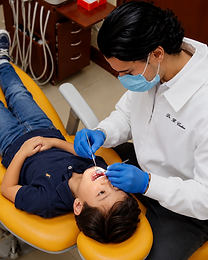
For younger children with specific growth, bite, eruption, or space concerns, early evaluation can help determine whether treatment now, or monitoring, is the better next step.
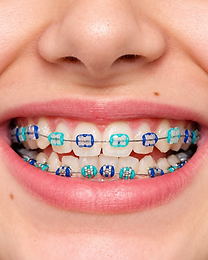
Explore fixed orthodontic treatment for children and teens who may benefit from continuous, controlled tooth movement without daily wear-time decisions.
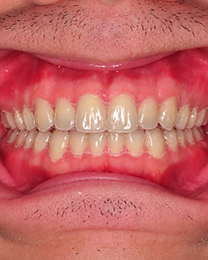
For appropriate teenagers, clear aligners may offer a more discreet, removable treatment option when the case and the patient's level of responsibility make them a good fit.
You do not need to know whether your child needs braces, aligners, early treatment, or simply more time. Dr. Caldas can evaluate the developing smile, explain what matters now, and help your family understand the most appropriate path forward for children's orthodontic care in Weston, Florida.
Book a ConsultationCaldas Orthodontics
We typically reply within a day


