Easy to Build Into a Routine
Once your wear schedule becomes familiar, a removable retainer can become a small part of the day rather than a continuation of active treatment. Clear instructions make that routine easier to maintain.

Children · Teens · Adults
The day braces or aligners come off feels like the finish line. Your teeth can still shift over time. Dr. Caldas plans orthodontic retainers in Weston, FL around your finished bite, treatment history, and long-term stability, so the result of active treatment has a plan after treatment, too.
After Active Treatment
An orthodontic retainer is a custom appliance used after braces or clear aligner treatment to help hold teeth in their corrected positions. Retainers support orthodontic retention while the tissues around the teeth adapt and help reduce unwanted movement over time.
Retention is not simply a final handoff. The plan should answer which type of retainer makes sense, how often it should be worn, how it should be cleaned, and what to do if it becomes loose, damaged, or no longer fits the way it once did.
The Essentials
Retainers are typically prescribed after braces or clear aligner treatment. A retainer check can also be useful if you have a lost retainer, broken retainer, a retainer that suddenly feels tight, or teeth that appear to be shifting after previous orthodontic care.
Retainers generally fall into two categories. A removable retainer can be taken out for eating and cleaning, while a fixed retainer is bonded behind selected teeth to provide continuous support. The best approach depends on the original tooth movement, the finished bite, hygiene needs, and how reliably removable wear can be maintained.
Good retention depends on fit, wear, care, and follow-up. Final records help document the finished result, while retainer checks can identify wear, a broken bond, distortion, or fit changes before unnecessary tooth movement becomes more difficult to address.
In Everyday Life
Once your wear schedule becomes familiar, a removable retainer can become a small part of the day rather than a continuation of active treatment. Clear instructions make that routine easier to maintain.
A retainer after braces helps protect the positions created during months of tooth movement. Finishing active treatment changes the job; it does not remove the need for long-term stability.
A retainer after Invisalign or other clear aligner treatment serves the same essential purpose: holding the finished tooth positions after active movement ends.
Retainers can be lost, cracked, warped, worn, or damaged. A retainer replacement is usually most useful when addressed promptly rather than waiting until the teeth have had more time to move.
Your Retention Journey
Braces come off or clear aligner treatment reaches its planned end point. Dr. Caldas evaluates the finished alignment and bite before retention begins.
The type of retainer and wear schedule are selected around the result that needs to be maintained, your oral hygiene needs, and how the teeth are expected to behave over time.
Your retainer should fit securely without forcing it into place. We explain when to wear it, how to clean it, where to store it, and what changes should prompt a call to the office.
Long-term retainer wear is part of protecting the result. The exact schedule can change over time, but the goal remains the same: reduce unwanted movement after active orthodontic treatment.
If the retainer becomes damaged, loose, distorted, or stops fitting properly, a retainer evaluation can help determine whether it needs adjustment, repair, or replacement, and whether any tooth movement has already occurred.
Personal by Design
Teeth that were rotated, crowded, spaced, or moved through a larger distance may not have the same retention needs. The starting problem matters even after the active treatment is finished.
Some patients may benefit from permanent orthodontic retainers, also called fixed or bonded retainers, in selected areas. Despite the nickname 'permanent,' bonded wires still need monitoring because they can loosen, break, or collect plaque if not cleaned carefully.
A removable retainer is easier to clean outside the mouth. A bonded retainer works continuously but requires more attention when brushing and flossing around the wire. The right balance depends on the patient and the teeth being retained.
A removable appliance only works when it is worn as directed. If remembering wear is likely to be difficult, that practical reality can influence the retention conversation just as much as appliance preference.
The Caldas Approach
At Caldas Orthodontics, the retainer is not an afterthought added once the braces come off. Retention is part of the treatment plan because the finished smile needs a realistic strategy for staying stable after active tooth movement stops.
A finished result is more than six straight front teeth. Dr. Caldas considers the overall alignment and bite when deciding how retention should support the final positions.
'Wear your retainer' is not enough guidance. Patients should understand when to wear it, how to care for it, what normal fit feels like, and what signs mean it should be checked.
A tight, cracked, missing, or ill-fitting retainer can be an early sign that the retention plan needs attention. Addressing the issue sooner gives the orthodontist a better chance to evaluate the fit before more tooth movement occurs.
Frequently Asked
Most orthodontic patients need some degree of retention for the long term because teeth can continue to move throughout life. The exact schedule varies by patient and may change after the early retention period, so follow the wear instructions Dr. Caldas gives for your case.
Contact the orthodontic office promptly. A lost retainer or broken retainer can allow unwanted tooth movement if the problem is left unaddressed. Depending on the fit and how much movement has occurred, you may need a replacement retainer or another recommendation.
Do not force a painful or clearly distorted retainer into place. A retainer that no longer seats properly may mean it has warped, worn out, or the teeth have moved. An orthodontic evaluation can determine whether a new retainer is enough or whether additional correction should be discussed.
Permanent orthodontic retainers are fixed wires bonded behind the teeth, but 'permanent' does not mean maintenance-free or indestructible. The wire or bonding material can fail, and careful cleaning plus periodic checks remain important.
Retainers are primarily designed to hold teeth, not to perform active orthodontic correction. If you notice teeth shifting after braces or aligners, Dr. Caldas can evaluate whether a new retainer, limited correction, or another orthodontic option is more appropriate.
Explore What's Possible
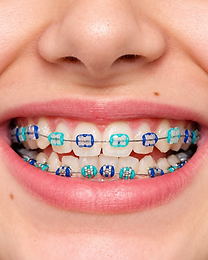
If fixed orthodontic treatment is part of your current or future plan, learn how braces create controlled tooth movement before retention begins.
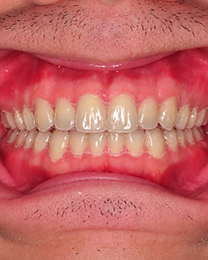
Explore clear aligner treatment and how retention helps protect the finished tooth positions after the active aligner phase is complete.

If teeth have shifted after earlier treatment, an adult orthodontic evaluation can help clarify whether a new retainer is enough or whether limited retreatment should be considered.
Whether active treatment just ended or an existing retainer has been lost, damaged, or stopped fitting, Dr. Caldas can help you understand what your smile needs next. Book a consultation for orthodontic retainers in Weston, FL and protect the alignment you worked to achieve.
Book a ConsultationCaldas Orthodontics
We typically reply within a day


