Clarity Before Commitment
Parents should not have to guess whether a developing issue is urgent, worth monitoring, or likely to be addressed later. A clear evaluation gives the family a reasoned next step.
Children
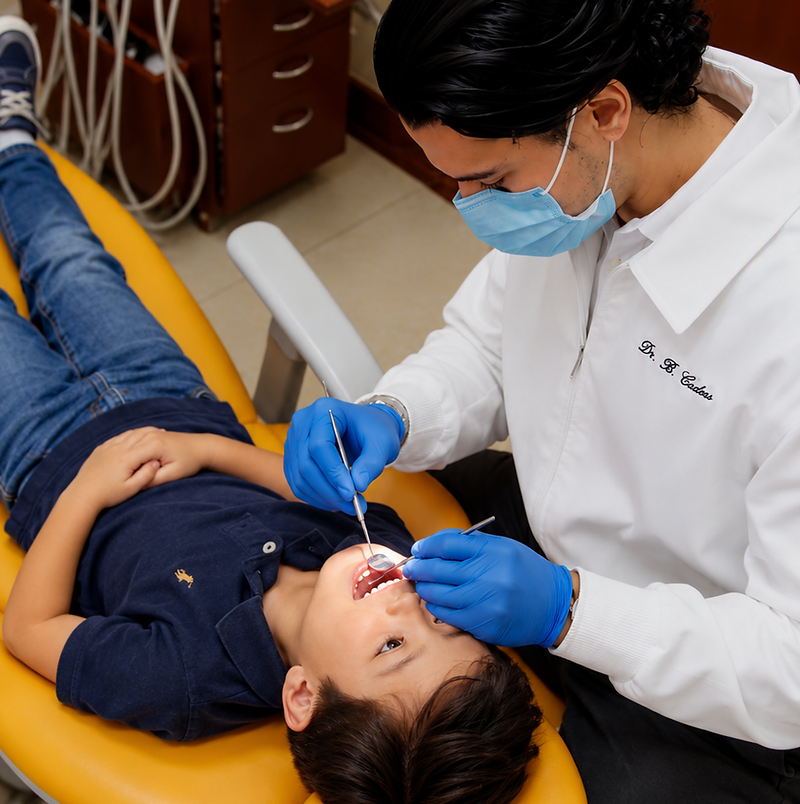
Interceptive orthodontics focuses on identifying developing concerns with your child’s teeth, bite, and jaws. The goal is to recognize when early treatment may help and when to allow more time for growth. At Caldas Orthodontics, Dr. Bernardo Caldas tailors each recommendation to your child’s development, helping you understand what to do, when, and why.
Early Care, Without the Rush
The American Association of Orthodontists recommends a first orthodontic check no later than age 7. That does not mean every seven-year-old needs treatment. It means an orthodontist can look at a mix of baby and permanent teeth, evaluate the bite and eruption pattern, and identify concerns that may be worth watching before they become harder to understand later.
For families looking for an orthodontist for children in Weston, the value of an interceptive orthodontic consultation is often clarity: does anything need attention now, should growth simply be monitored, or is there a specific reason to consider treatment while development is still underway?
The Essentials
Interceptive treatment is considered for selected children whose developing bite, jaw relationship, tooth eruption, or available space may benefit from attention before all permanent teeth have arrived. Many children need only observation at this stage, not treatment.
The process starts with evaluation, not an appliance. If treatment is recommended, it is usually focused on a specific developmental problem rather than trying to finish all orthodontic correction at once. Depending on the need, care may involve monitoring, a targeted appliance, limited tooth movement, or early braces when clinically appropriate.
Growth-aware planning is the foundation. Dr. Caldas combines the clinical exam with appropriate records and follow-up to understand how teeth are erupting and how the bite is changing over time. The goal is to make a decision at the right moment, not simply the earliest moment.
In Everyday Life
Parents should not have to guess whether a developing issue is urgent, worth monitoring, or likely to be addressed later. A clear evaluation gives the family a reasoned next step.
Some orthodontic concerns are easier to evaluate while a child is still growing. Others are better left alone until more permanent teeth arrive. Timing is part of the treatment decision.
When early treatment is useful, it should have a defined purpose. The aim is not to put every child into early braces, but to address a specific concern that may benefit from intervention now.
Children change quickly. Monitoring allows the orthodontist to see how growth, eruption, and the bite develop before deciding what the next phase, if any, should involve.
Your Child's Interceptive Orthodontic Journey
Your child's first visit is a chance to discuss what you or your dentist have noticed and to evaluate the developing smile without assuming treatment is needed.
Dr. Caldas looks at tooth eruption, available space, bite relationships, and other developmental factors that may influence timing.
For some children, the right plan is observation. For others, a specific issue may make early treatment worthwhile. That decision should be based on what treatment can accomplish now that waiting cannot.
If treatment begins, the goal is targeted. The appliance or mechanics used depend on the concern being addressed rather than following one universal Phase One routine.
After early treatment, or during observation, your child's growth and tooth eruption can be reviewed over time to determine whether later comprehensive orthodontic care may be appropriate.
Personal by Design
The mix of baby and permanent teeth matters. An issue that deserves attention in one stage of eruption may be better monitored in another.
Jaw growth and facial development can influence how the bite is changing and whether timing creates an opportunity to guide a specific problem.
Crowding, a crossbite, protruding teeth, eruption concerns, and oral habits are not interchangeable problems. Each one raises a different question about whether early treatment would add real value.
Not every developing concern needs to be corrected immediately. Sometimes the most thoughtful plan is to watch, document the changes, and begin later when treatment can be more comprehensive.
The Caldas Approach
Parents often come to an interceptive orthodontic consultation expecting a yes-or-no answer about braces. Dr. Caldas approaches the visit differently: first understand the developing bite, then decide whether treatment now would accomplish something meaningful.
If growth and eruption need time, monitoring is an active clinical decision, not a missed opportunity. It gives us a clearer view of how the smile is developing before treatment begins.
When a developing bite or eruption concern may benefit from intervention during growth, Dr. Caldas explains what the treatment is intended to change and why the timing matters.
Families should understand why care is recommended, what it is meant to accomplish, and what may still need to happen later. Clear reasoning builds more confidence than simply starting early because it is possible.
Frequently Asked
The American Association of Orthodontists recommends a first orthodontic check no later than age 7. By then, many children have a mix of baby and permanent teeth, giving an orthodontist useful information about eruption, spacing, and the developing bite.
No. An early orthodontic consultation is often about deciding whether anything needs to happen now. Many children are simply monitored while more teeth erupt and growth continues.
Early braces usually refers to limited braces used during an earlier phase of orthodontic care for a specific problem. They are not appropriate for every child and do not automatically replace comprehensive treatment later. The decision depends on what needs to be corrected and whether timing offers a meaningful advantage.
Not necessarily. Early treatment may address a specific developing problem, but some children still benefit from comprehensive orthodontic treatment after more permanent teeth have erupted. Parents should view early care as a targeted phase when needed, not a guarantee that later treatment will be unnecessary.
You do not need to diagnose the problem yourself. Crowding, a crossbite, protruding teeth, difficulty with the way the bite comes together, unusual eruption, or a recommendation from your dentist are all reasonable reasons to schedule an evaluation. You can also book a check simply because your child has reached the recommended screening age.
Explore What's Possible

Explore comprehensive orthodontic care planned around growth, bite development, alignment, school, activities, and the changing needs of younger patients.
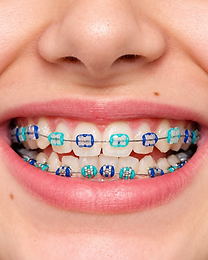
Learn how fixed braces provide continuous, controlled tooth movement for children, teens, and adults when a comprehensive braces plan is appropriate.
That is what the first visit is for. Bring your questions, what you have noticed, or simply your child's age. Dr. Caldas can evaluate the developing smile and explain whether interceptive orthodontics in Weston, FL makes sense now, later, or not at all.
Book an Interceptive Orthodontic ConsultationCaldas Orthodontics
We typically reply within a day

